Evaluating Body-Worn Cameras and Officer Behavior
Background
In response to public unrest and concerns over police–citizen interactions, many government leaders have turned to body-worn cameras as a tool to improve accountability and community relations. While early evidence on their effectiveness is promising, questions remain about how BWCs shape officer behavior and perceptions in practice.
Purpose
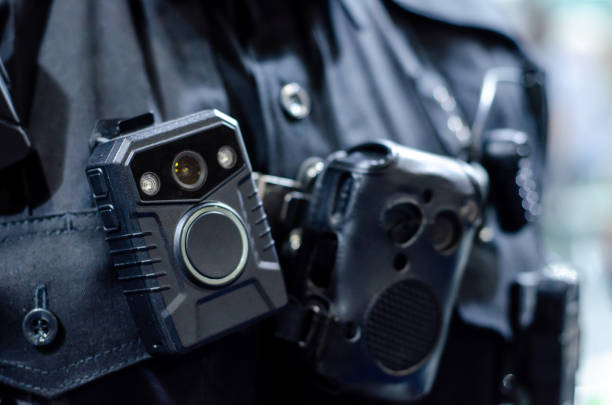
This study evaluates a pilot body-worn camera program in the Hallandale Beach, Florida Police Department using a partial randomized experimental design. It examines the impact of BWCs on officer behavior during encounters and officers’ perceptions of the technology.
Outcome
The findings show that officers equipped with body-worn cameras relied on less intrusive methods to resolve incidents and remained actively engaged with the community rather than avoiding contact. However, officers continued to express skepticism about the usefulness of BWCs. The study highlights both the behavioral benefits and perceptual limitations of body-worn cameras, offering important implications for policing policy and future research.