Policing Reform After the Kerner Commission
Background
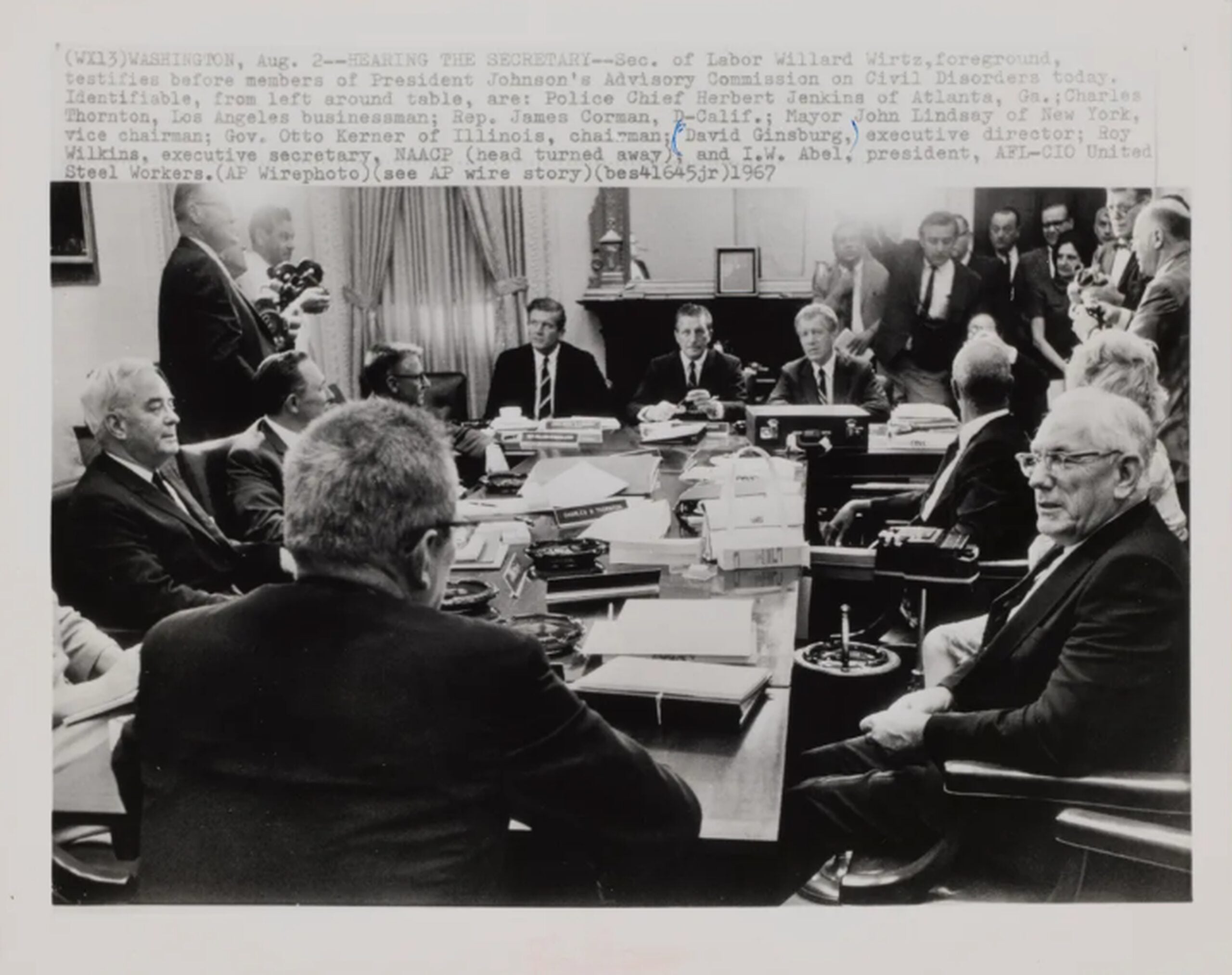
The Kerner Commission placed policing and its effects on communities of color at the center of national debate. Fifty years later, many of the same concerns continue to shape discussions about police reform, accountability, and community trust.
Purpose
This article reviews police commissions before and after the Kerner Commission to identify recurring themes in reform efforts. It focuses on three central areas emphasized across commissions: excessive use of force, police–community relations, and personnel standards. The study also evaluates the empirical evidence on whether organizational reforms in these areas have been effective.
Outcome
The analysis finds that despite decades of commissions and reform efforts, challenges related to use of force, community relations, and personnel practices persist. The article highlights gaps in the empirical evidence and underscores the need for more rigorous research to identify which reforms effectively reduce police–community tensions and improve policing outcomes.