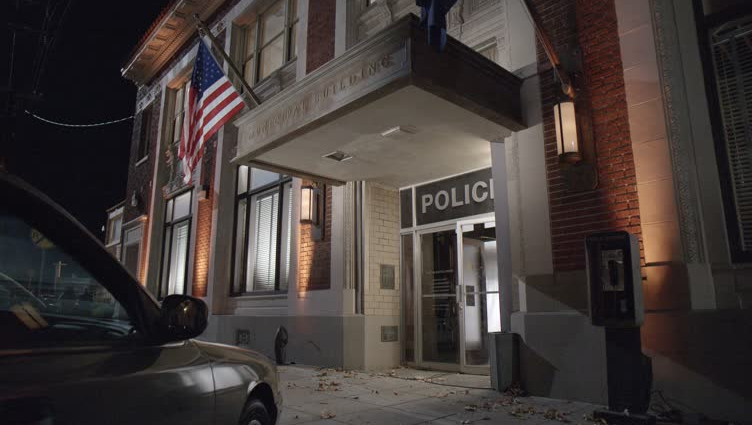
Police Station Design and Police–Community Relationships
Background
Strengthening police–community relationships often centers on improving everyday interactions between officers and residents. An emerging strategy in this effort is criminal justice architecture, which considers how the physical design of police spaces may shape public perceptions, emotions, and behavior.
Purpose
This study uses a survey experiment to examine whether welcoming police station designs influence perceptions of police and whether these effects depend on individuals’ prior encounters with law enforcement. It also explores how responses vary across racial groups and arrest histories.
Outcome
The findings show that the effects of police station design are shaped by past experiences with police. Individuals with prior arrest histories respond more positively to welcoming station designs, while those without a criminal history report less positive reactions. Results also vary across Black and White respondents based on previous encounters. The study suggests that police architecture can influence emotions and perceptions in meaningful ways, but its effects are not universal. Designing police spaces to foster trust requires careful consideration of community experiences and histories.