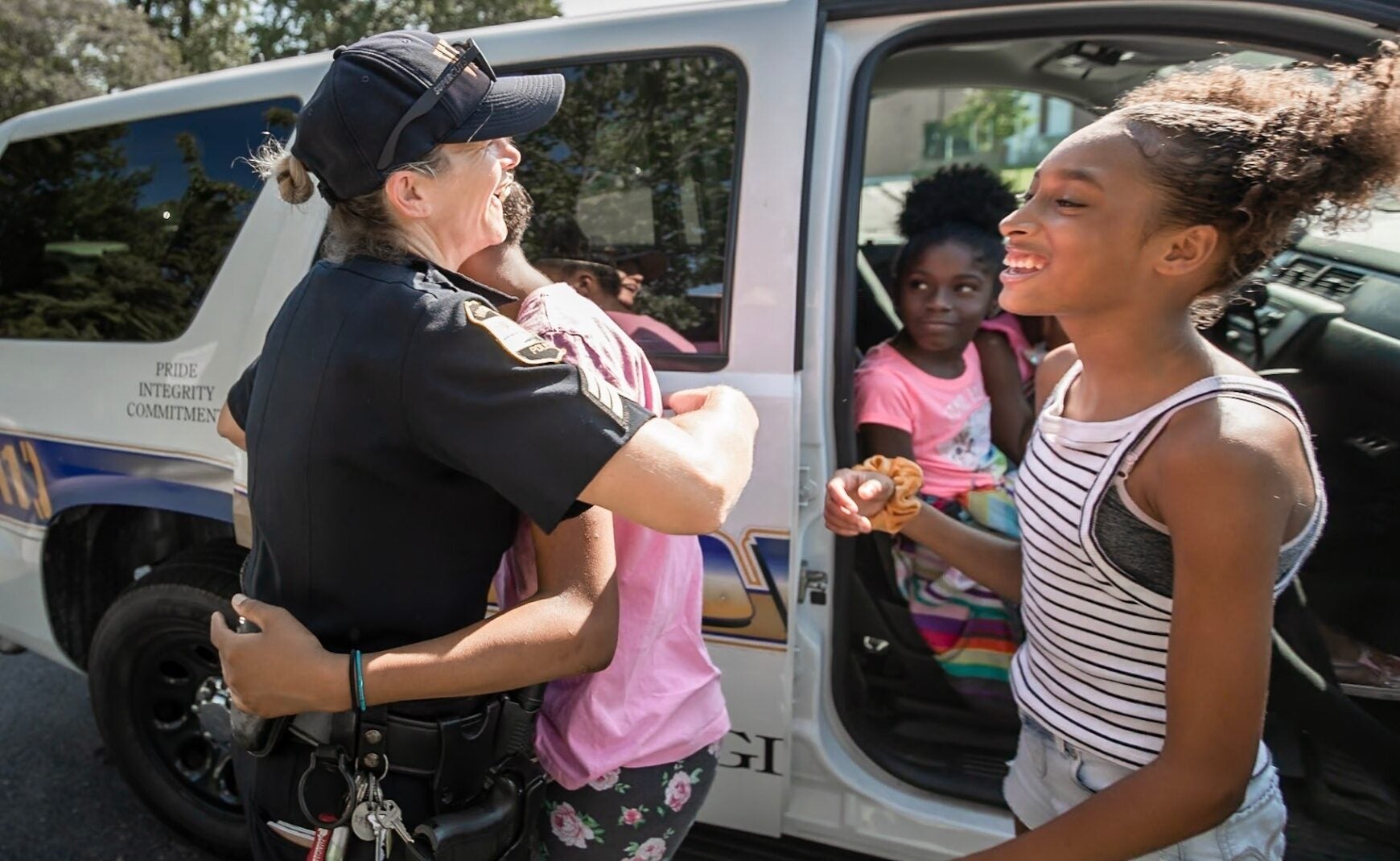
Building Trust Between Police and Marginalized Youth
Background
Interactions with government agencies play a critical role in shaping the perceptions and experiences of underrepresented and marginalized groups. In response, public agencies have developed programs aimed at improving citizen–state interactions, particularly between police and youth.
Purpose
This study examines a police–youth program in Miami-Dade County, Florida, using qualitative interviews with police officers and marginalized youth to assess how the program shapes perceptions and experiences of policing.
Outcome
The findings show that trust-building requires police to understand the social contexts of marginalized youth and to engage in informal, positive interactions. However, negative perceptions of police remain common and are shaped by media narratives, historical experiences, and personal or vicarious encounters. The study highlights that improving police–youth relationships is a gradual process that requires sustained effort and long-term commitment.