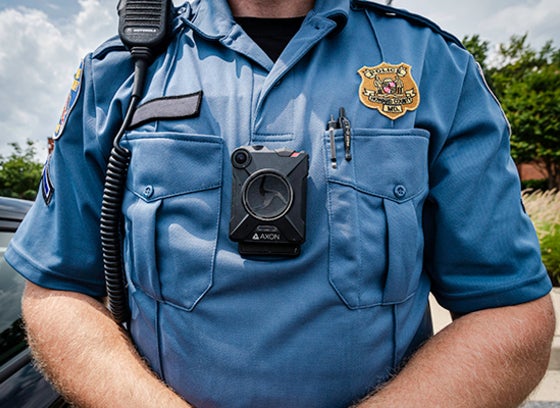
Body-Worn Cameras, Officer Discretion, and Racial Differences in Arrests
Background
Body-worn cameras have been widely adopted as a reform intended to increase accountability and transparency in policing. However, questions remain about how these technologies affect officer discretion and whether their impacts differ across racial groups.
Purpose
This study conducts a nationwide causal analysis of the effects of body-worn camera adoption on police arrests. Using 12 years of panel data from 697 local police agencies and a staggered difference-in-differences approach, it examines how BWCs influence arrest patterns across offense types and racial groups.
Outcome
The findings show that body-worn cameras did not significantly affect White arrest rates but were associated with a reduction in Black arrests, particularly in alcohol-related offenses where officer discretion is high. No comparable reductions were found for more serious crimes, while White arrests for weapon offenses increased, consistent with BWCs serving as evidence-gathering tools. The study demonstrates that BWCs shape arrest outcomes in nuanced ways tied to discretion, race, and offense severity.
Headley, A. M., Baker, D. & Kang, I. (2025). Body-Worn Cameras and Bureaucratic Discretion: Evidence from a Large-scale Staggered Difference-in-difference Analysis of US Law Enforcement Agencies. Public Administration Review.
- Tagged
- Method: Quantitative