The Alabama Solution
By Andrew Knispel, Research Assistant (Spring 2026)
On Thursday, January 22nd, The Alabama Solution, a 2026 Oscar nominee for Best Documentary Feature, was screened at the McCourt School of Public Policy. The critically acclaimed HBO Original examined the violence, neglect, and resistance inside Alabama’s prison system – and the fight to bring truth and accountability to light. The film provides viewers with the unique opportunity to get a glimpse of the horrors that occur behind bars through contraband cellphone footage and interviews.
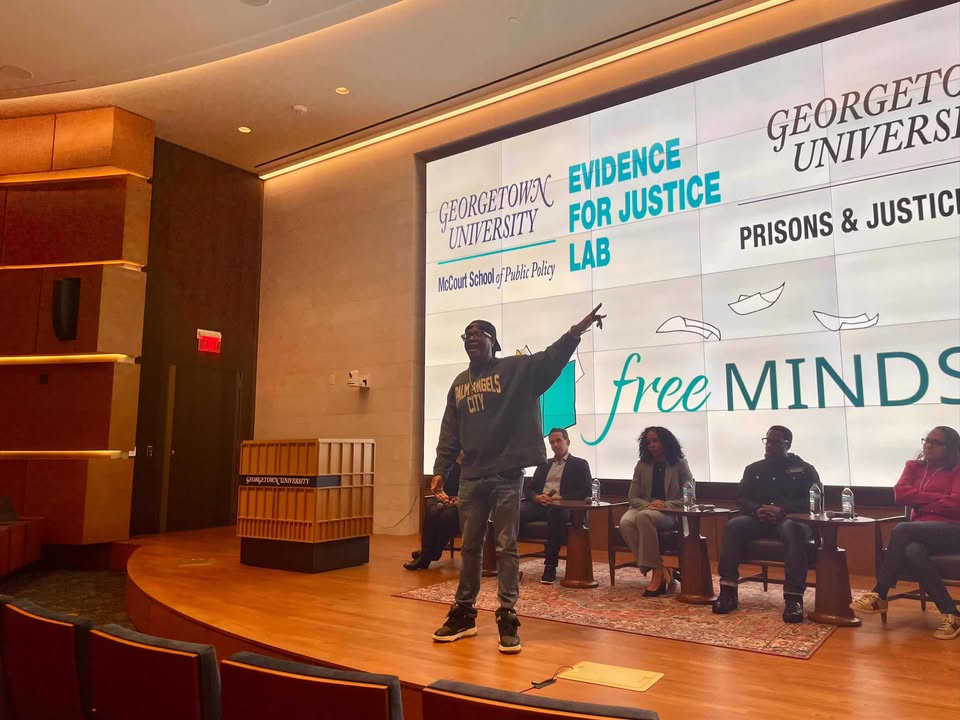
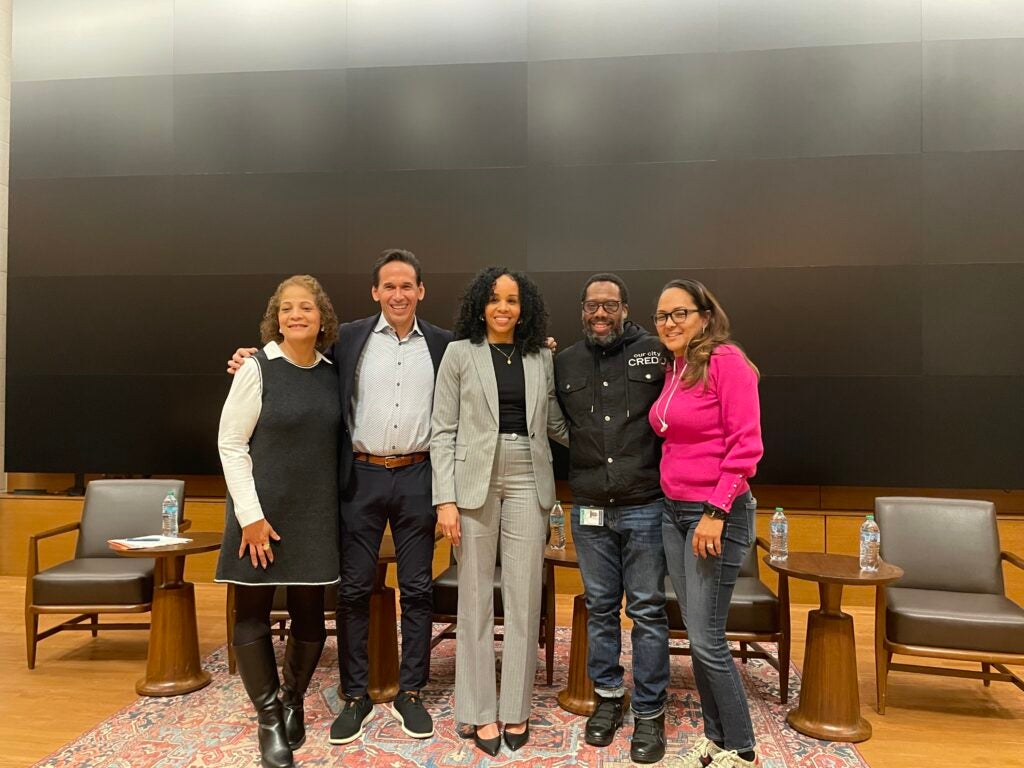
Following the screening, the audience had the opportunity to hear a moving piece by the Free Minds Poet Ambassador, Gene Downing. This proceeded a panel exploring the film’s themes, including transparency, evidence, and the risks taken by incarcerated people to expose abuse. Moderated by Professor Jasmine Tyler, director of the Policy Innovation Lab at the McCourt School of Public Policy, the panel included Dr. Andrea Headley, director of the Evidence for Justice Lab, Professor Marc Howard, director of the Georgetown University Prisons and Justice Initiative, Colie “Shaka” Long Program Assistant at the Georgetown University Prisons and Justice Initiative, and Tiffany Johnson Cole Esq., attorney at Law Offices of Robert Simms Thompson, PC.
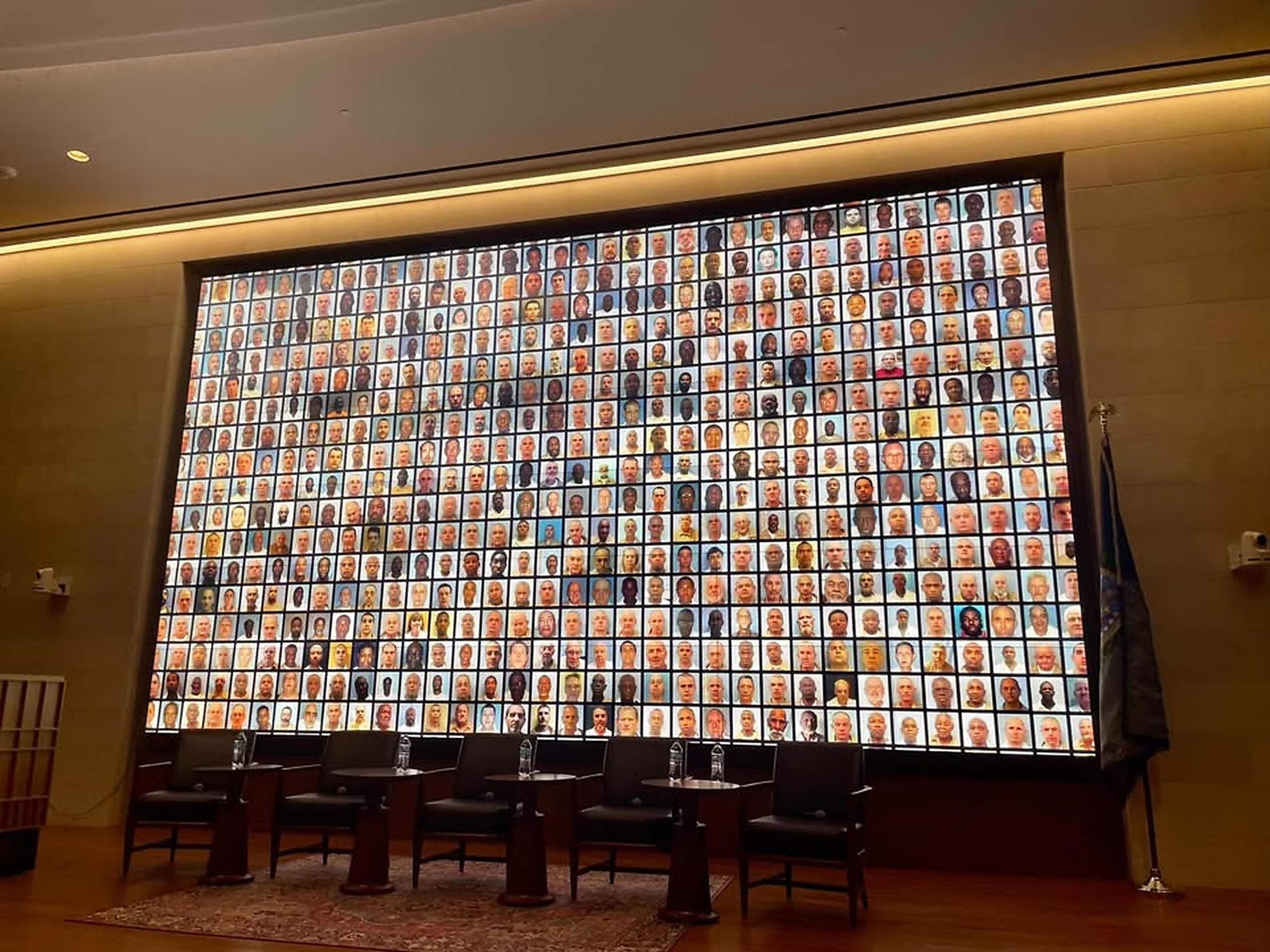
The documentary highlights the failure of state leadership to address the systemic issues in the Alabama state prison system, as well as the concerted effort to hide the incarcerated population from the public. With America’s prison population reaching a record-high of 2 million individuals in over 6000 federal and state prisons and jails, as noted by Professor Howard, “they may as well be on Mars because no one knows what is going on the inside.” What sets The Alabama Solution apart from other prison documentaries is, in the words of Ms. Tiffany Johnson Cole, “we can see what is going on from the inside.” This eye-opening exposé has been celebrated for giving the public the visual evidence needed to stir a call to action. Dr. Headley noted that in the research field, the importance of documenting people’s experiences lies in the ability to enable their humanity.
While The Alabama Solution focuses on the experiences of those currently incarcerated in Alabama, the film ends by emphasizing that many of these experiences are shared by individuals incarcerated in all 50 states. The panel’s discussion emphasized that while this movie is heartbreaking and at certain moments difficult to watch, it creates a hopeful promise for a future of systemic reform. In screening this film, Georgetown’s McCourt School of Public Policy invites viewers to witness what can happen when society comes together in the upwards fight for institutional change, racial justice, and unconditional humanity.